Attack Vector Explorer

There are many elements of an authentication attempt. Each is potentially vulnerable to an attack vector.
Click each one to see how.

AttackTypes AttackVectors DigitallyInjectedPayloads Types OfGen AI Types OfDeepfakes Software Camera &Device PresentationAttacks VirtualCameras CodeModification Man In TheMiddle (MITM) FrameReplay Gen AI SpliceAttack CGI Deepfakes Adv. ML Faceswaps MotionReenact GANS
Attack Vectors Camera & Device Software Attack Types Digitally Injected Payloads Types of Generative AI Types of Deepfakes PresentationAttacks VirtualCameras CodeModification MITM FrameReplay Gen AI SpliceAttack CGI Deepfakes AdversarialML Faceswaps MotionReenactments GANs

Targeting the User Image

Presentation Attacks

A presentation attack occurs when the user presents a physical spoof between themselves and the camera. These are easily detected by modern systems, but still must be acknowledged.

Types of presentation attacks include:
  • Print
  • Screen
  • 3D Object
  • Multi-Modal
CLOSE

Targeting the Camera

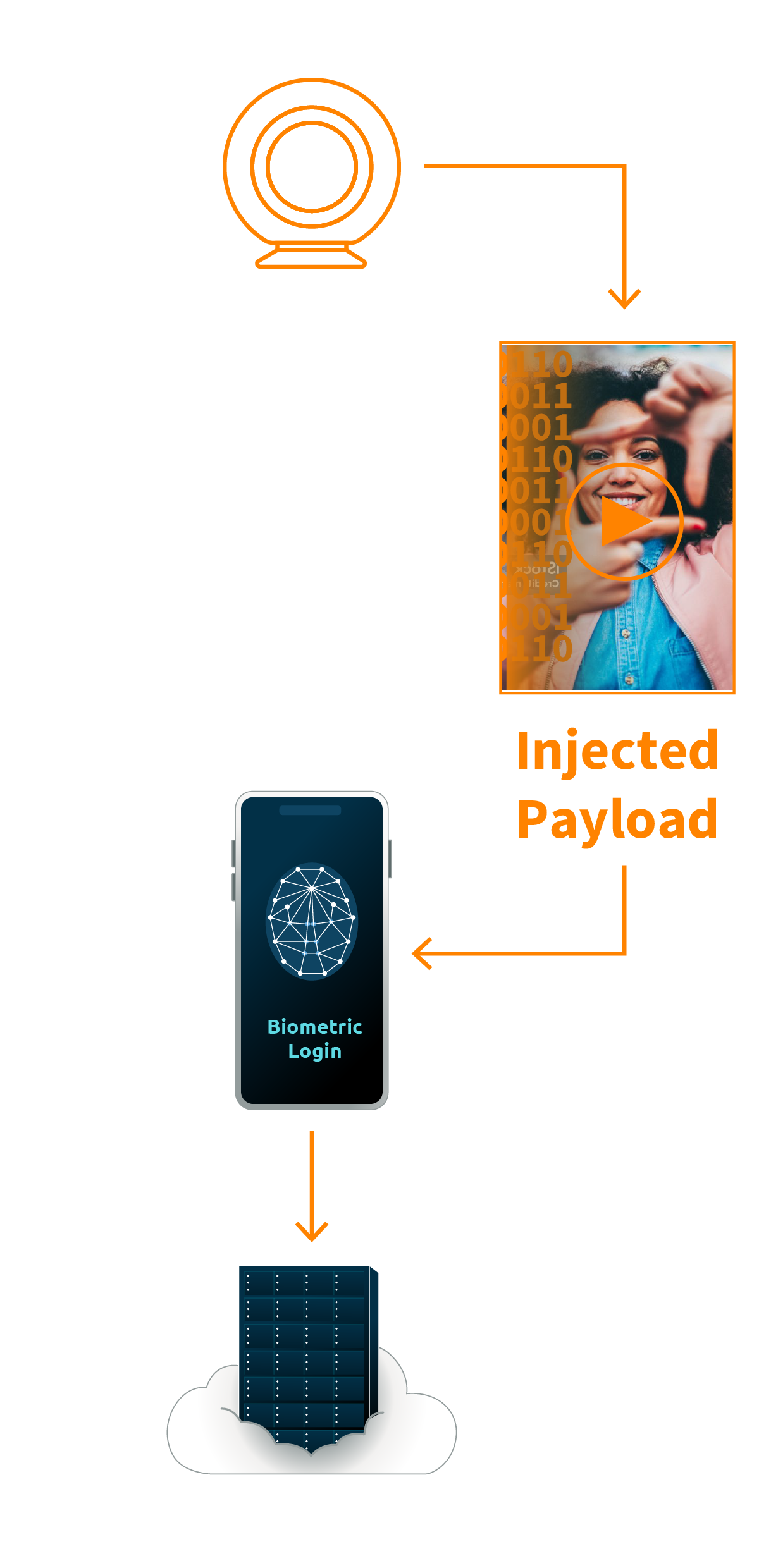
Digital Injection: Virtual Camera

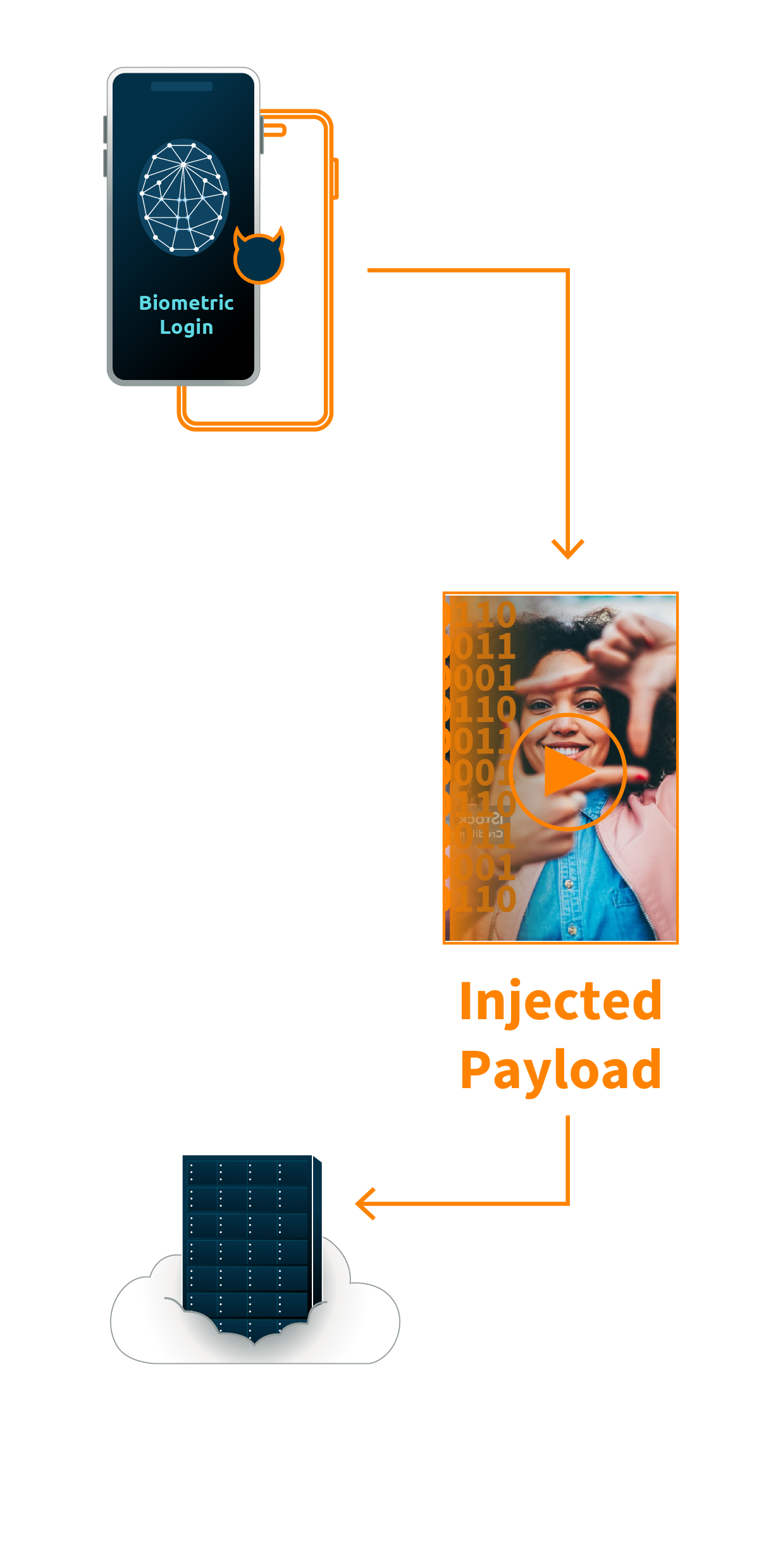
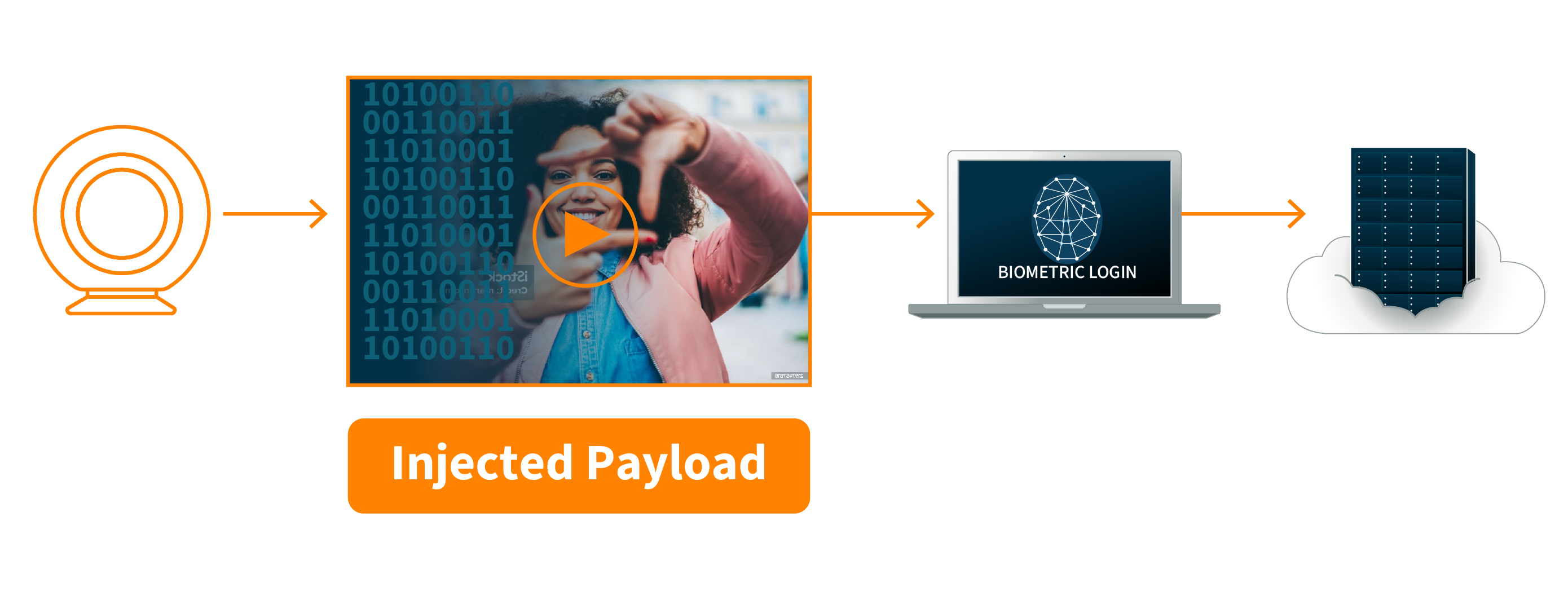
Fraudsters can replace a device camera with a virtual camera emulator, enabling them to digitally inject a synthetic video payload.

CLOSE

Targeting the Device

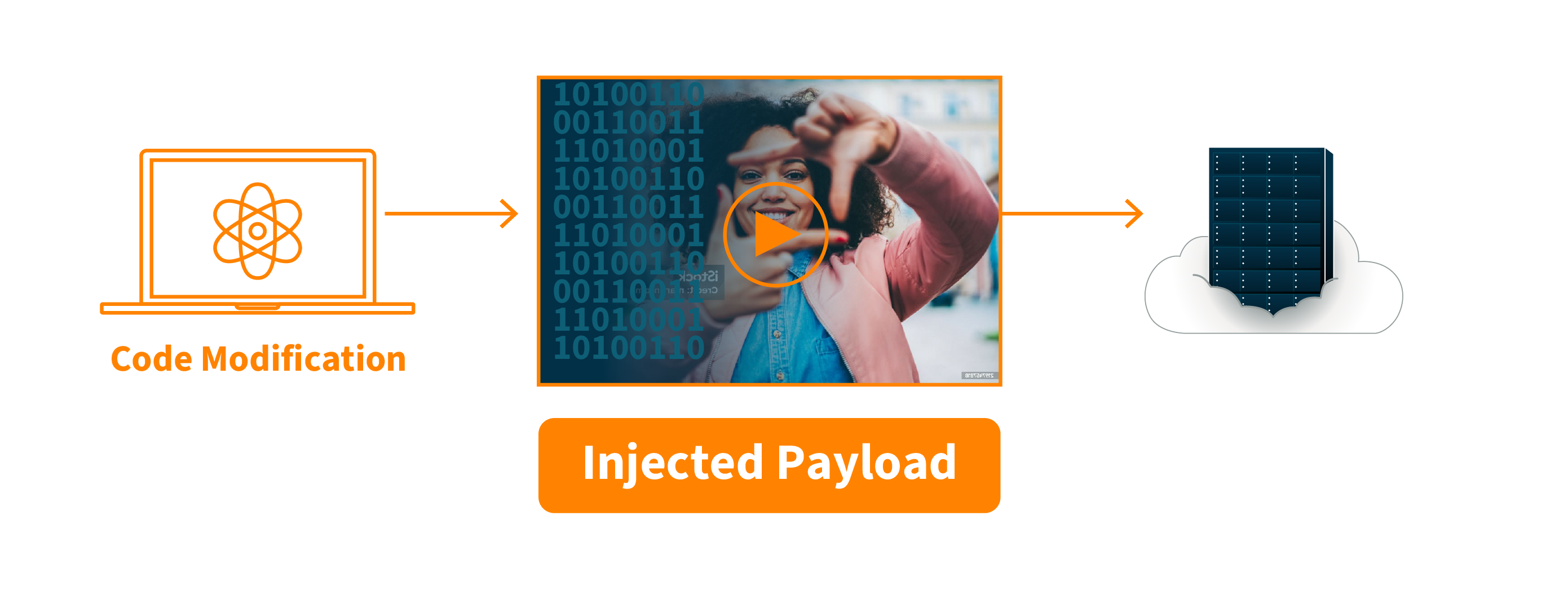
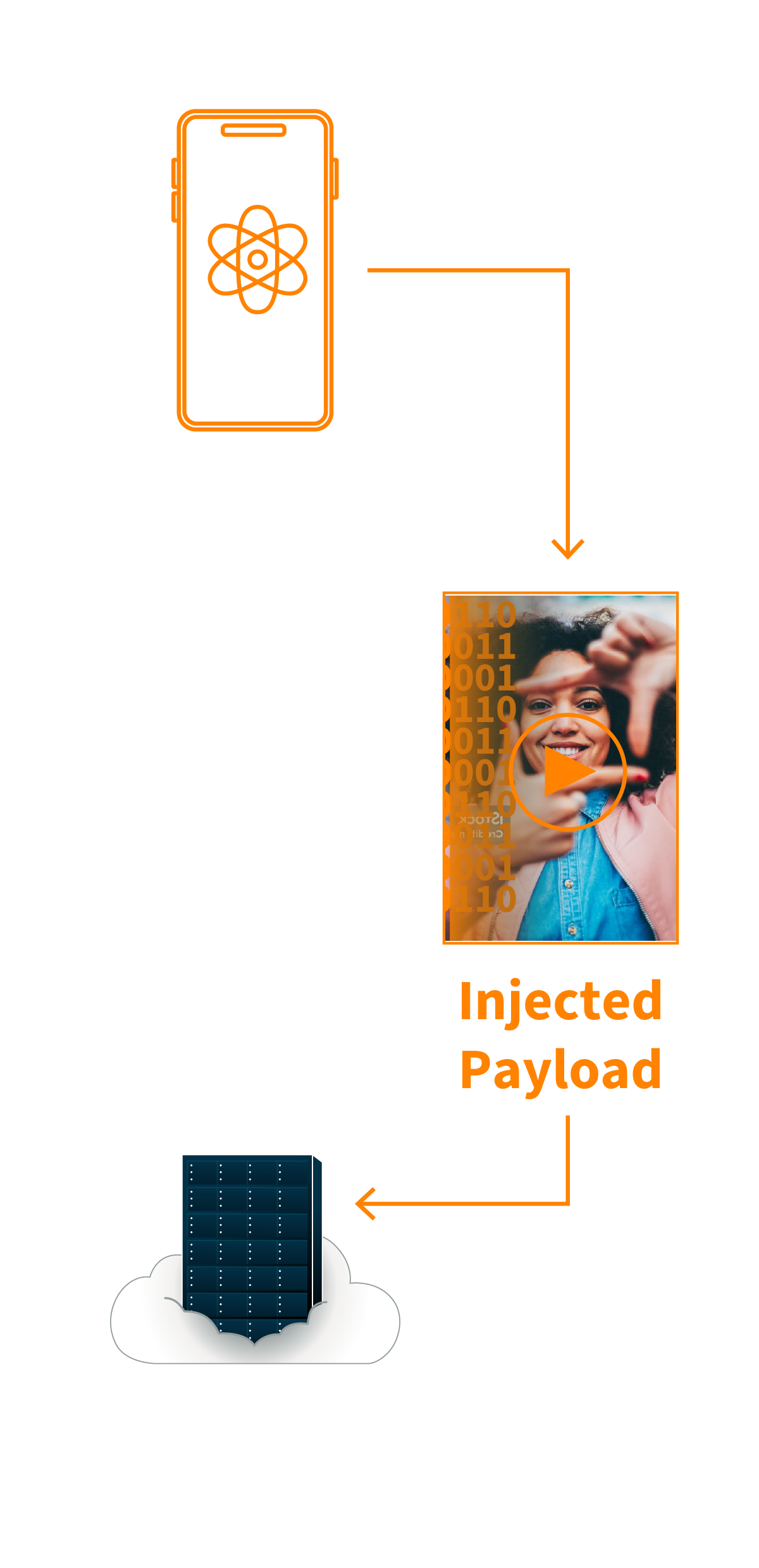
Digital Injection: Code Modification

Code modification using reverse engineering aims to tamper with the function and control flow of the victim’s device, in attempt to alter its input or functionality – in this case, video being streamed.

CLOSE

Targeting the Service

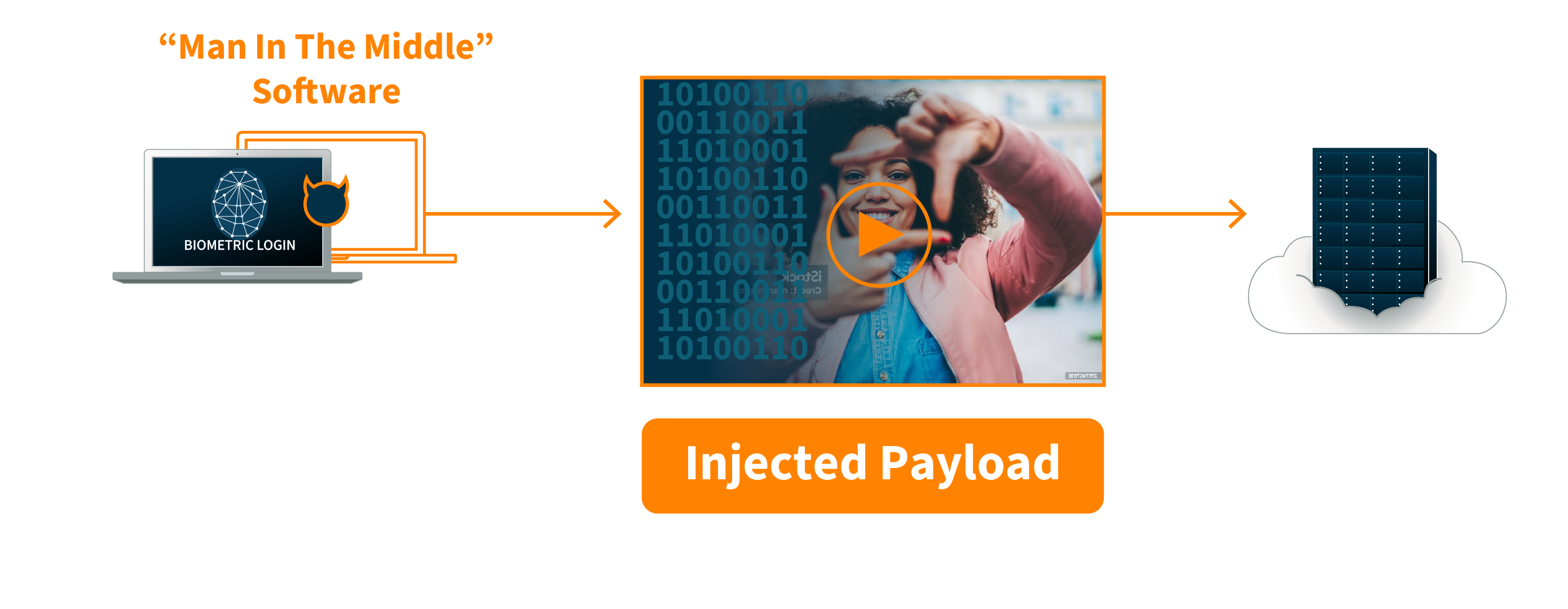
Digital Injection: Man In The Middle

An attacker secretly inserts themselves between the client and server, altering the transmitted pixels and injecting new payload in attempt to enroll a person with the victim’s data and credentials.

CLOSE

Types of Injected Payload

Video Frame Replay

A replay attack uses a recording of someone completing a previous authentication. A replay attack can manifest as a presentation attack — for example, when the recording is presented to the camera or other sensor using another device, or as a digital injection attack — when the recording is injected into an application or network server connection, bypassing the sensor entirely.

CLOSE

Types of Injected Payload

Splice Attack

A replay attack uses a recording of someone completing a previous authentication. A replay attack can manifest as a presentation attack — for example, when the recording is presented to the camera or other sensor using another device, or as a digital injection attack — when the recording is injected into an application or network server connection, bypassing the sensor entirely.

CLOSE

Types of Injected Payload

Types of Generative AI

Generative AI refers to an algorithm that can generate new content – including text, images, and video – after being trained on comparable source media. This can include fully synthetic media.

Click on each one to learn more about each category of threat vectors.

  • CGI
  • Deepfakes
  • Adversarial ML
CLOSE

Types of Injected Payload

CGI

Computer generated imagery (CGI) can resemble a totally new persona or generate a 3D persona from a static 2D photo. A CG persona can also be animated by importing motion from video input or live stream.

CLOSE

Types of Injected Payload

Adversarial ML

Adversarial ML pits a content generator against a content evaluator, each attempting to “win”. This technique uses deep learning to improve each facet of the adversarial network until it can produce content that can produce realistic spoofs. Adversarial ML can target both face matching technology and anti-spoofing technology.

CLOSE

Types of Generative AI

Deepfakes

A deepfake uses deep learning to simulate a specific individual and create a convincing artifact that shows them doing something they did not do.

Click on each one to learn more about each category of threat vectors.

  • Face Swaps
  • Motion Reenactments
  • Generative Adversarial Networks (GANs)
CLOSE

Types of Deepfakes

Face Swaps

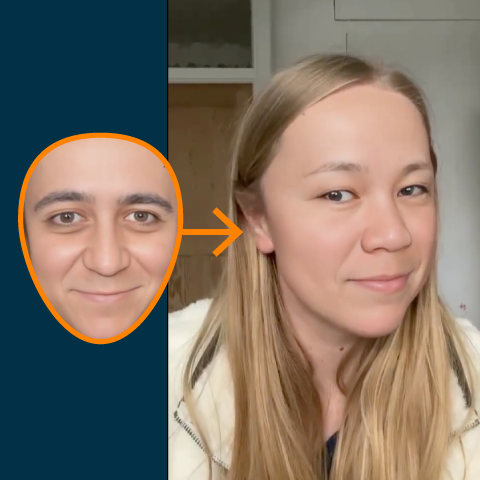
Face swaps are created from two inputs — the attacker’s video or image and a photo of the victim’s face. Specifically, face swapping tools combine pre-recorded video or live streams of the attacker and superimpose the victim’s identity over the original feed.

CLOSE

Types of Deepfakes

Motion Reenactments

Also known as “puppet-master” deepfakes. In this technique, the facial expressions and movements of the person in the target video are controlled by the person in the source video. A performer sitting in front of the camera guides the motion and deformation of a face appearing in a video or image.

CLOSE

Types of Deepfakes

Generative Adversarial Networks (GANs)

A GAN deploys two AI models – one generative and one discriminating – competing with each other to generate as “accurate” or authentic a deepfake output as possible. This method is extremely effective because it improves the outcome of its own generative capabilities by constantly checking against the very tools designed to outsmart it.

CLOSE