iProov for Agentic AI
How humans control AI agents acting on their behalf is the focus of iProov’s work in Agentic AI. Our approach centers around confirming that an accountable human approved the most consequential decisions, even where the ultimate action is performed by an AI agent.
iProov does this by attaching an individual’s identity to a specific agentic transaction, creating verifiable evidence that the correct person approved each action. Routine work can remain autonomous, while high-risk actions require accountable human authorization.
iProov does this by attaching an individual’s identity to a specific agentic transaction, creating verifiable evidence that the correct person approved each action. Routine work can remain autonomous, while high-risk actions require accountable human authorization.

What Is Agentic AI?
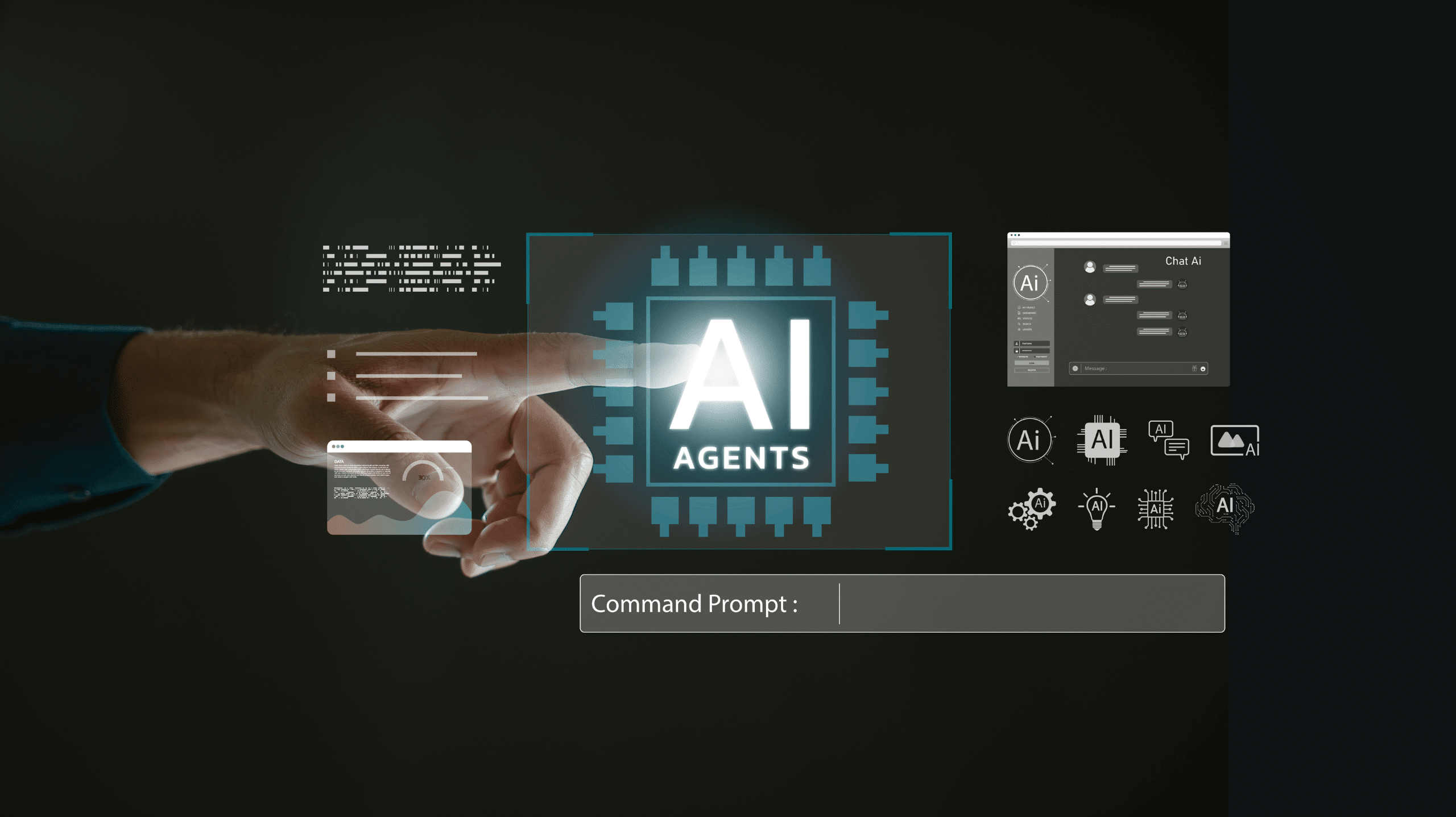
Agentic AI refers to artificial intelligence systems that can pursue a goal, plan a sequence of steps, and take the necessary actions to fulfill that goal by using digital tools, applications, or services. They exert unprecedented autonomy and are often deployed with limited human intervention or oversight.
What Makes Human Authorization Agent-Resistant?
Agent-resistant authorization is designed so that an AI agent cannot generate, reuse or redirect the proof required to approve its own action.

Which Actions Require Human Authorization?
Human approval should correspond to the risk and consequence of the action.

Agentic AI: Industry Context & Statistics
ADOPTION INTENTIONS
17% of organizations have already deployed AI agents, while over 60% anticipate deploying them within two years.
GOVERNANCE READINESS
21% reported mature governance for agentic AI; 74% of organizations expect to use AI agents at least moderately by 2027.
HUMAN AUTHORISATION
Action risk (63%) and human authorisation (53%) were identified as leading signals informing the governance of AI agent behaviour.
How do you know a human actually approved an AI agent’s action?
An AI agent can have valid tokens, passkeys and permissions and still take an action its user never intended.
In this 25-minute session from AGNTCon + MCPCon EU, Andrew Bud, Founder and CEO of iProov, explains how organizations can add a human consent checkpoint before AI agents execute high-risk or irreversible actions such as payments, agreements, privileged access or sensitive operations.
Watch to learn how relying parties can distinguish authorized access from authorized action, independently verify human intent and create an auditable record of consent, while working alongside existing technologies such as OAuth, MCP and passkeys.
Explore our Agentic AI Research and Insights
Visit our resource library for articles, case studies, reports, press releases, and more.
Frequently Asked Questions (FAQs)
iProov is Trusted By